
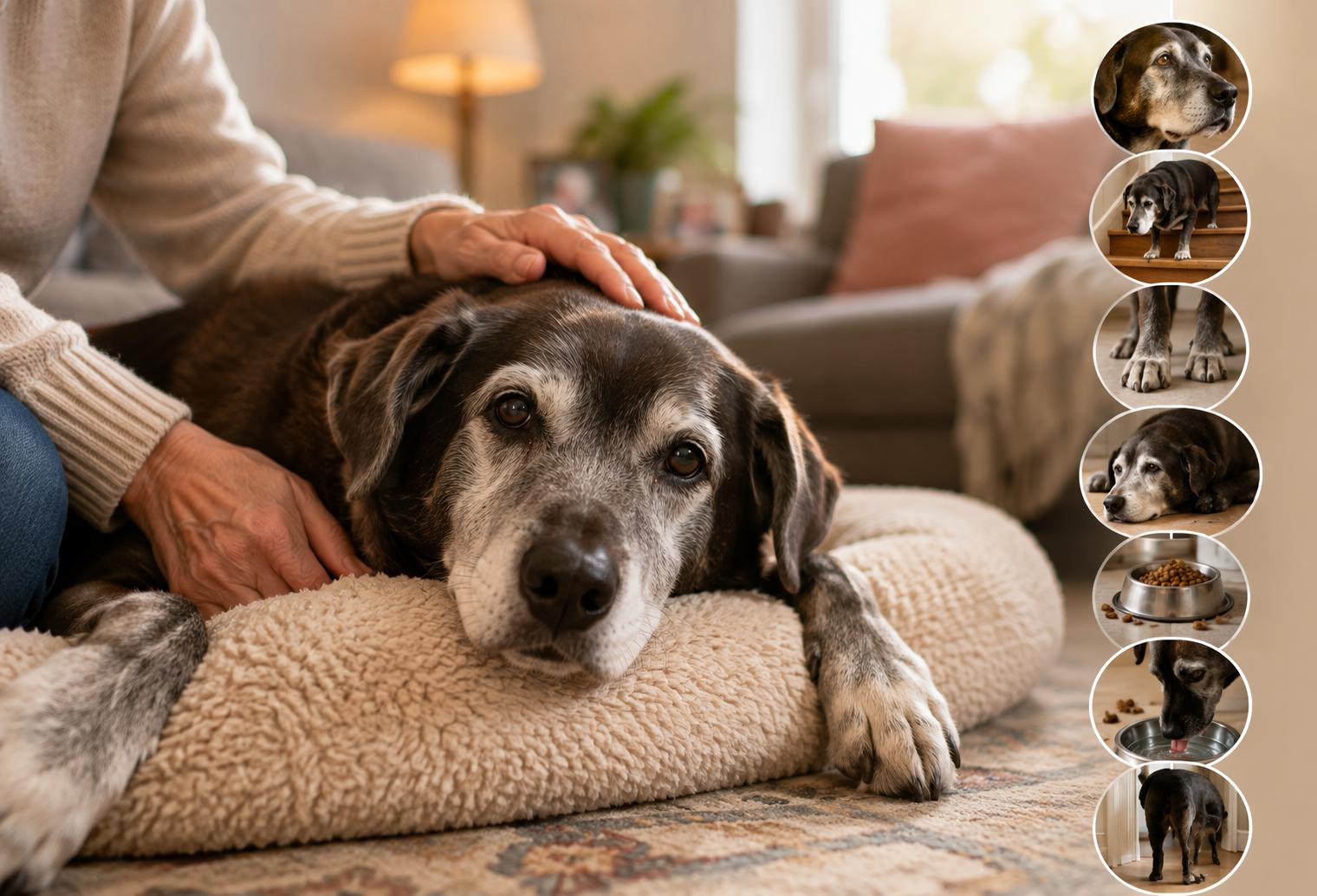
7 Signs Your Senior Pet Needs Extra Care
As pets grow older, small changes in their routines can become easier to notice. A dog that once hurried to the door may take longer to get up, while a cat that always finished dinner may suddenly leave food behind. For pet owners in Simpsonville, SC, recognizing these changes early can help older pets stay comfortable and supported through their senior years.
Senior pets often need extra care when they begin showing changes in mobility, appetite, bathroom habits, grooming, sleep, behavior, or tolerance for normal daily activities. Some changes may simply reflect aging, while others deserve a conversation with a veterinarian.
What local pet owners should know
-
Changes that appear gradually can be easy to dismiss, so paying attention to your pet’s normal routine is especially useful.
-
Hot, humid Upstate summers can make outdoor activity more tiring for some older pets.
-
Senior pets may benefit from shorter walks, more frequent check-ins, easier access to food and water, and a more predictable routine.
-
Pet owners throughout Greenville County should contact a veterinarian when a change is sudden, severe, painful, or affecting eating, drinking, breathing, or normal movement.
-
Extra daily support can help families maintain a comfortable routine when work, errands, travel, or other obligations keep them away from home.
For families in Simpsonville, Hound About Town, LLC understands that an older pet’s routine may look different than it did several years ago. As pets age, we can adjust the type of everyday support they receive rather than expecting them to keep the same pace indefinitely.
1. Your Senior Pet Is Moving More Slowly
Moving more slowly can be a sign that your senior pet needs extra care, especially when getting up, climbing steps, walking, or changing positions has become noticeably harder. Older pets may need more time, shorter activity periods, and a routine that does not force them to move faster or farther than feels comfortable.
Around Simpsonville, daily outings can include neighborhood sidewalks, yards, and trips through busy suburban areas near Five Forks or I-385. A walk that was easy several years ago may become tiring as a pet ages.
Watch for changes such as hesitation before climbing stairs, falling behind during walks, stiffness after resting, reluctance to jump, or stopping more frequently.
Mobility changes should not automatically be treated as normal aging. If your pet appears painful, suddenly struggles to stand, begins limping, or experiences a major change in movement, contact your veterinarian.
For routine activity, consider slowing the pace and allowing your pet to choose a comfortable walking speed.
2. Eating or Drinking Habits Have Changed
Changes in eating or drinking can signal that a senior pet needs closer attention because appetite and hydration are important parts of the daily routine. Eating much less, drinking noticeably more or less, dropping food, or suddenly becoming unusually hungry are changes worth monitoring rather than assuming they are simply part of getting older.
The most useful starting point is knowing what is normal for your pet.
Keep meals on a consistent schedule and notice whether food is being finished. Pay attention to the water bowl as well. If someone else cares for your pet while you are away, ask them to report unusual eating or drinking behavior rather than simply refilling bowls.
Sudden appetite changes, difficulty chewing, repeated vomiting, or refusal to eat should be discussed with a veterinarian.
3. Bathroom Habits Are Becoming Less Predictable
Changes in bathroom habits often mean a senior pet needs additional support, particularly when a previously reliable pet begins needing more frequent outdoor breaks or has accidents indoors. Older pets may have a harder time waiting through a long workday, and mobility changes can also make reaching the door or preferred bathroom area more difficult.
For households in Simpsonville and nearby Mauldin, a midday visit can become more useful as a pet gets older. Long stretches between morning and evening bathroom breaks may no longer fit the pet’s routine.
Watch for:
-
More frequent requests to go outside
-
Indoor accidents
-
Difficulty getting into the usual bathroom position
-
Straining or discomfort
-
Major changes in urine or stool
-
Waking during the night to go outside
Straining, inability to urinate, blood, severe diarrhea, or other sudden changes warrant veterinary attention.
4. Your Pet Is Sleeping Much More or Acting Restless
Sleeping considerably more or becoming unusually restless can indicate that a senior pet’s needs are changing. Older animals naturally adjust their activity patterns, but pacing, difficulty settling, repeated nighttime waking, or losing interest in normally enjoyable activities can deserve closer observation.
A comfortable routine can become especially valuable for older pets. Predictable feeding times, bathroom breaks, walks, quiet periods, and bedtime routines may help reduce unnecessary disruption.
Families commuting toward Greenville or working long days elsewhere in Greenville County may also notice that a senior pet is less comfortable spending the same number of hours alone as before.
If a sleep or behavior change appears suddenly or is accompanied by pain, confusion, appetite changes, or other concerning symptoms, ask your veterinarian about it.
5. Grooming or Coat Condition Has Changed
A noticeable decline in grooming can be a sign that a senior pet needs extra care because stiffness, reduced flexibility, lower energy, or other health changes may make normal self-care more difficult. Owners may begin noticing tangled fur, dirty areas, overgrown nails, increased shedding, or less attention to normal grooming routines.
This is particularly noticeable with older cats that have always kept themselves meticulously clean.
Regular gentle checks can help. Look at paws, nails, ears, coat condition, and areas your pet may have trouble reaching. Routine observation can also help you notice new lumps, irritated skin, sore areas, or other changes that should be evaluated professionally.
During warm South Carolina weather, maintaining a comfortable coat and watching for skin irritation can be especially helpful for pets spending time outdoors.
6. Your Pet Seems More Anxious or Confused
New anxiety or confusion can indicate that a senior pet needs additional attention, especially if a formerly confident animal begins pacing, becoming startled easily, staring into space, getting stuck in familiar areas, or showing distress when routines change. Behavioral changes deserve observation because discomfort and health problems can sometimes appear as changes in personality.
An older pet may also become more dependent on familiar people and routines.
Changes around the home, unfamiliar visitors, travel, altered schedules, or longer periods alone may be harder for some senior pets than they once were. Families throughout the growing communities between Simpsonville, Fountain Inn, and Five Forks may find that consistency becomes increasingly important as their pets age.
Significant confusion or sudden personality changes should be discussed with a veterinarian rather than assumed to be an unavoidable part of aging.
7. Normal Walks and Activities Are Becoming Too Much
A senior pet needs extra care when familiar activities consistently leave them exhausted, uncomfortable, or reluctant to participate. A dog that once enjoyed a long neighborhood walk may now do better with several shorter outings, while an older cat may prefer easier access to favorite resting areas instead of jumping onto high furniture.
Heat also matters locally. Simpsonville’s warm, humid summers can make outdoor exercise more demanding, particularly during hotter parts of the day.
Adjusting an activity does not mean eliminating enrichment. Instead, consider slower walks, shorter outings, additional sniffing time, gentle indoor interaction, and plenty of opportunities to rest.
Let the pet’s comfort determine the pace.
What Senior Pet Owners Should Monitor at Home
Senior pet owners should monitor everyday changes in appetite, water intake, movement, bathroom habits, sleep, grooming, and behavior because those routines provide an easy baseline for noticing something unusual. You do not need complicated equipment or medical knowledge to become more observant about how your pet normally acts.
A simple mental or written checklist can include:
-
Did my pet eat normally?
-
Is my pet drinking normally?
-
Did bathroom habits change?
-
Is walking or standing harder?
-
Is my pet interacting normally?
-
Did my pet seem comfortable today?
-
Is there any new behavior that has continued for several days?
If multiple changes appear together, or one change is dramatic, veterinary guidance is appropriate.
Why Senior Pets in the Upstate May Need Routine Adjustments
Senior pets in the Upstate may need routine adjustments because changing mobility and stamina can interact with hot summers, active suburban households, stairs, fenced yards, and long periods between scheduled outings. A routine that worked well for a younger animal may simply become less comfortable as that pet ages.
Seasonal conditions are worth considering.
During hot weather, outdoor activity may need to move toward cooler parts of the day. During colder periods, stiff pets may need additional time before they feel ready for activity.
Families near downtown Simpsonville, Five Forks, Fountain Inn, and other parts of southern Greenville County may also have different home environments, from apartments and townhomes to larger suburban properties. Senior care should be adapted to the individual pet and home rather than following one universal routine.
When to Call a Veterinarian
A veterinarian should be contacted when an older pet experiences sudden, severe, painful, or persistent changes rather than simply adjusting the home routine and waiting. Everyday care can support comfort and consistency, but a pet care provider should never replace veterinary evaluation when a medical problem may be involved.
Contact your veterinarian promptly for concerning symptoms such as breathing difficulty, collapse, obvious severe pain, inability to urinate, repeated vomiting, major weakness, or a dramatic behavioral change.
Less urgent changes should still be documented and mentioned during veterinary appointments.
The goal is not to diagnose changes at home. It is to notice them.
Common Mistakes When Caring for an Older Pet
The most common senior pet care mistakes involve expecting an older animal to maintain a younger pet’s routine, overlooking gradual changes, or waiting too long to adjust everyday care. Small accommodations can often make routines easier without dramatically changing the pet’s life.
Mistake: Maintaining the same walking distance regardless of stamina.
Consequence: The pet may become overly tired or reluctant to walk.
Better approach: Shorten outings and let comfort determine the pace.
Mistake: Assuming every change is simply old age.
Consequence: A potentially important health change may go unnoticed.
Better approach: Track new behaviors and discuss persistent concerns with a veterinarian.
Mistake: Leaving long gaps between bathroom breaks.
Consequence: Older pets may struggle to maintain their previous schedule.
Better approach: Consider more frequent opportunities to go outside.
Mistake: Changing several parts of the routine at once.
Consequence: Some senior pets may find the new routine stressful.
Better approach: Keep feeding, activity, rest, and care schedules as predictable as possible.
A Common Local Senior Pet Scenario
A common Simpsonville senior pet scenario is a dog that has spent years comfortably following the family’s workday routine but begins slowing down with age. The dog may still enjoy walks, meals, and attention while needing a shorter route, another bathroom opportunity, more time getting up, or a quiet visit during the middle of the day.
The important change is not necessarily the pet’s personality. It may simply be what the pet can comfortably manage.
Instead of expecting the previous routine to continue indefinitely, families can adjust around the senior pet’s current abilities while consulting their veterinarian about significant physical or behavioral changes.
How Professional Pet Care Can Support Senior Pets
Professional pet care can support senior pets by providing additional routine, companionship, bathroom opportunities, meals, or appropriately paced activity when owners cannot be home. The best arrangement should follow the pet’s established routine and any instructions provided by the owner or veterinarian.
At Hound About Town, LLC, we recognize that senior pets may require patience and a different pace from younger animals. Our role is to support the everyday care routine owners establish for their pets, not to diagnose or treat medical conditions.
Comparing Family Care and Additional Pet Care Support
Family care and professional pet care can work together when a senior pet begins requiring more frequent attention than the household schedule allows. The right choice depends on the pet’s routine, health, temperament, mobility, and how long family members are regularly away.
Some families can handle additional bathroom breaks and shorter walks themselves. Others may benefit from scheduled help during workdays, trips, appointments, or other extended absences.
Medical care remains the veterinarian’s responsibility. Routine pet care can complement that relationship by helping owners maintain feeding, activity, bathroom, and companionship schedules.
Service Areas
We support pet owners in Simpsonville and may serve surrounding communities based on our current service area. Nearby communities include Five Forks, Mauldin, Fountain Inn, and other parts of southern Greenville County.
The Cost of Ignoring Changes in a Senior Pet
Ignoring changes in a senior pet can make daily life harder and may delay recognition of a problem that deserves professional attention. Even when a change is not medically serious, continuing an unsuitable routine can leave an older animal overtired, uncomfortable, stressed, or struggling with long periods between necessary care.
Pay attention to patterns rather than waiting for a dramatic event.
If your pet’s daily needs have changed, adjust the routine. If the change may involve health, pain, or illness, involve your veterinarian.
Frequently Asked Questions
At what age is a pet considered senior in Simpsonville?
A pet’s senior stage depends on species, breed, size, and individual health rather than one universal age. Larger dogs often show age-related changes sooner than smaller dogs, while cats may remain active well into later life. Your veterinarian can help determine when senior-focused monitoring and care make sense for your individual pet.
Does my senior dog need shorter walks in Simpsonville?
A senior dog may benefit from shorter walks if longer outings cause stiffness, fatigue, reluctance, or discomfort. During hot and humid Upstate weather, walking during cooler times of day may also be more comfortable. Adjust distance and pace to the individual dog, and discuss significant mobility changes with your veterinarian.
How often should an older dog get bathroom breaks?
Older dogs may need more frequent bathroom opportunities if they can no longer comfortably follow their previous schedule. There is no single interval that works for every senior dog. Watch your dog’s normal patterns, health, medications, and behavior, and ask a veterinarian about significant changes in frequency or accidents.
Can senior pets stay home alone during the workday?
Some senior pets can remain home comfortably during a normal workday, while others begin needing additional bathroom breaks, meals, medication-related routines, companionship, or mobility assistance. Families commuting from Simpsonville toward Greenville should evaluate the individual pet rather than assuming a schedule that worked years ago is still appropriate.
Is slowing down always normal for an older pet?
No. Some reduction in speed or stamina may accompany aging, but noticeable mobility changes can also have medical causes. If a pet suddenly slows down, appears painful, limps, struggles to rise, or stops participating in normal activities, contact your veterinarian instead of assuming the change is simply age.
How does South Carolina summer weather affect senior dogs?
Hot, humid South Carolina weather can make outdoor activity more physically demanding, so senior dogs may benefit from gentler exercise and outings during cooler periods. Always provide access to water and appropriate shelter. If your dog shows signs of distress, weakness, or difficulty breathing, stop the activity and seek veterinary guidance.
Can a pet sitter help with an aging pet in Greenville County?
A pet sitter can provide useful non-medical support when an aging pet needs additional visits, bathroom opportunities, meals, companionship, or appropriately paced activity. The sitter should follow the owner’s instructions and established care plan. Medical symptoms and decisions about treatment should always be directed to the pet’s veterinarian.
What should I tell someone caring for my senior pet?
Tell your pet care provider about feeding routines, bathroom habits, mobility limitations, normal behavior, veterinary instructions, emergency contacts, and any changes they should watch for. Senior pets often benefit from consistency, so detailed instructions can help someone caring for your pet maintain the routine that feels familiar and comfortable.
Help Your Senior Pet Stay Comfortable at Home
Growing older does not mean a pet has to stop enjoying favorite routines. It often means those routines need to become slower, shorter, more frequent, or better matched to what the pet can comfortably manage.
For Simpsonville families, recognizing these seven signs can make it easier to know when an older pet needs additional everyday support and when a veterinarian should become involved.
Give Your Senior Pet the Extra Support They Need
We provide local pet care designed to help owners maintain dependable routines while they are away.
Categorised in: Pet Care