
Winter Wellness for Pets in Simpsonville: Keeping Your Dog Healthy & Happy After the Holidays
Winter in Simpsonville brings a drop in temperatures, cozy nights by the fire, and the perfect excuse to slow down after the holiday rush. But while you may be looking forward to some quiet time, your furry friend might need a little extra attention during this season. The colder months can bring unique challenges for pet wellness, and it is essential to be proactive about your dog’s health and happiness after the holidays. As winter sets in, pet owners must adjust their routines to make sure their companions are comfortable, active, and thriving.
Transitioning from Holiday Chaos to Winter Calm
The holidays often bring a flurry of activity: guests in the house, unfamiliar smells from festive meals, new toys, and perhaps even changes to the daily routine. All this stimulation can overwhelm your dog. Once the holidays are over, it is time to gently re-establish a predictable routine to help your pet decompress.
Simpsonville pet owners should pay close attention to their dogs’ behavior post-holidays. If your dog seems more anxious than usual, is eating less, or appears lethargic, it might be reacting to the disruption of its normal rhythm. Set regular feeding and walk times again to restore a sense of security. Create a calm and cozy space in your home where your dog can retreat and relax. This is especially important after the sensory overload that often comes with holiday celebrations.
Another consideration is diet. Holiday treats and table scraps may have disrupted your dog’s digestive system. Return to a balanced, vet-approved diet to help your pet feel its best. If any unusual symptoms persist, a check-up with your local veterinarian in Simpsonville can rule out lingering issues.
Managing Cold Weather Exercise and Outdoor Safety
One of the biggest shifts in winter dog care is adjusting exercise routines. Cold weather, icy sidewalks, and shorter daylight hours can discourage long outdoor adventures. However, dogs still need daily activity to stay mentally and physically healthy. In Simpsonville, where winters are relatively mild compared to northern states, it is still vital to account for chilly temperatures and the occasional frosty morning.
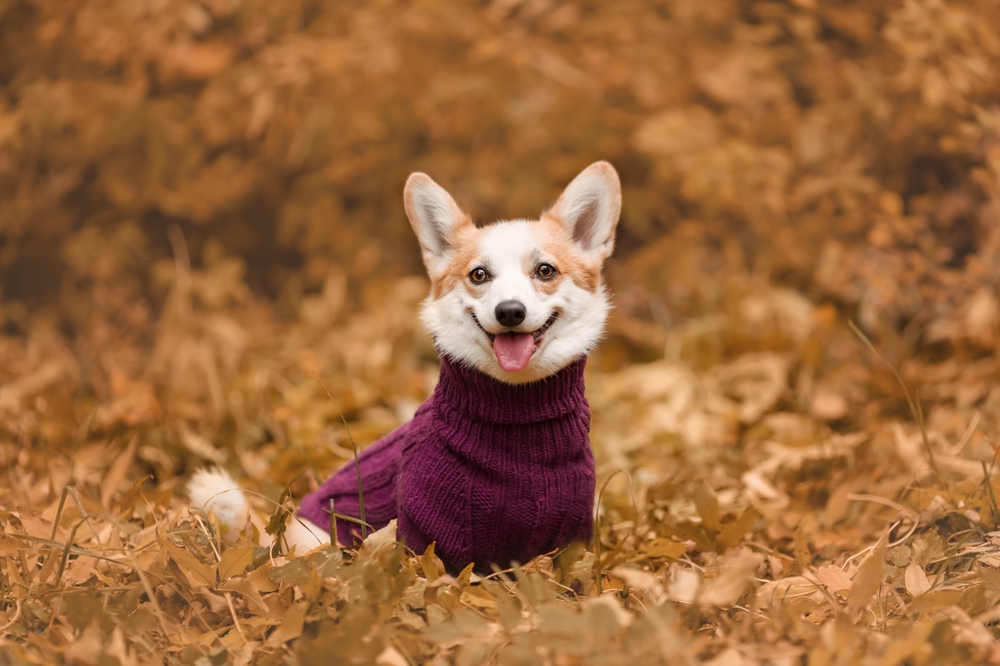
Choose the warmest parts of the day for walks, usually late morning or early afternoon. Shorten your walking sessions but add an extra one if needed. Keep a close eye on your dog’s body language. If it is shivering, lifting its paws off the cold ground, or showing signs of discomfort, it is time to head indoors. Investing in dog booties and a winter coat can go a long way in providing protection from the cold, especially for small breeds, senior dogs, or short-haired companions.
While snow is rare in Simpsonville, icy patches on shaded sidewalks or park trails can still pose a risk. Avoid heavily salted areas, as road salts and de-icing chemicals can be harsh on a dog’s paws and even toxic if licked. Always wipe your pet’s paws with a damp cloth after outdoor excursions.
When outdoor play is limited, find creative ways to burn energy indoors. Use puzzle toys, teach new tricks, or set up mini agility challenges using furniture and safe obstacles. Staying active helps prevent winter weight gain and keeps boredom at bay.
Grooming and Skin Health During Winter Months
Cold, dry air can take a toll on your dog’s skin and coat. Many pet owners assume they can reduce grooming during winter, but this is a misconception. Regular grooming is a critical part of pet wellness, especially when temperatures drop.
Brushing your dog helps distribute natural oils that keep its coat and skin healthy. It also prevents matting, which can worsen in damp winter conditions. In Simpsonville, fluctuating temperatures and indoor heating systems can dry out your dog’s skin, causing flakiness and irritation.
Bathe your pet only when necessary and always use a gentle, moisturizing shampoo. Avoid hot water, which strips essential oils, and thoroughly dry your dog before letting it outside again. For dogs with sensitive skin or signs of dryness, ask your veterinarian about safe supplements like fish oil or omega-3 fatty acids that support skin hydration from the inside out.
Also, check ears regularly for signs of infection. Moisture from rain or snow and less ventilation due to heavy coats or hoods can create a breeding ground for bacteria. Keeping your dog’s ears clean and dry is a simple but vital winter grooming habit.
Emotional Enrichment and Mental Health Support
Just like humans, dogs can experience the winter blues. Reduced daylight hours and less outdoor playtime may lead to boredom or mild seasonal depression. Ensuring your dog stays mentally stimulated is as important as physical exercise.
Simpsonville pet owners can take advantage of interactive toys, scent games, and training sessions that stimulate the mind. Consider rotating toys weekly to keep your dog’s interest high. Snuffle mats, treat-dispensing balls, and DIY games that challenge their problem-solving skills offer great enrichment on cold days indoors.
If your dog is used to regular social interaction, winter isolation can be hard. Arrange playdates with other pets or visit dog-friendly indoor spaces. Simpsonville has several pet supply stores and grooming facilities that welcome canine visitors, providing a change of scenery and new scents to explore.
Maintaining affection and attention is crucial as well. Spend quality time cuddling, brushing, or talking to your dog. These simple interactions build emotional bonds and reassure your pet during what can be a quieter, lonelier season.
Preparing for Vet Visits and Health Checkups
Winter is the perfect time to catch up on preventive health care. After the busyness of the holidays, schedule your pet’s annual wellness check with a local veterinarian in Simpsonville. This gives you a chance to address any post-holiday dietary imbalances, check for winter-related skin issues, and ensure your pet is at a healthy weight.
Senior dogs or pets with chronic conditions may need additional support during colder months. Arthritis often worsens in cold weather, making movement more painful. Your vet can recommend appropriate pain relief, joint supplements, or physical therapy options.
Vaccinations and parasite prevention should not be neglected in winter. While flea and tick activity may decline, it does not disappear entirely. Heartworms, spread by mosquitoes, can be a concern in the Southeast even in cooler months. Year-round prevention remains the safest course of action.
Lastly, keep your veterinarian’s contact information and emergency clinic numbers handy. Unexpected cold snaps, ice-related injuries, or ingestion of harmful substances are risks that increase in winter. Prompt care can make a big difference in your dog’s recovery.
Conclusion
Winter in Simpsonville offers pet owners a chance to refocus on calm routines and intentional care. As the festivities wind down and the cold settles in, being attentive to your dog’s needs can ensure it remains healthy and content. From re-establishing structure after the holidays to adjusting walks and grooming habits, every step you take contributes to better winter dog care.
Your dog depends on you to adapt with the seasons. By staying proactive and responsive to the unique challenges of winter, you can provide comfort, safety, and enrichment all season long. Keep your veterinarian involved, make time for exercise and affection, and remember that pet wellness does not take a break after the holidays. With thoughtful care, your companion can thrive through winter and greet spring with energy and joy.